
Italian cooking is loved around the world because it feels simple, comforting, and full of flavour. Many Italian dishes are built around a few good ingredients, traditional preparation methods, and the ability to turn everyday food into something memorable.
From fresh pasta and baked dishes to cured meats, cheeses, seafood, risotto, and pastries, Italian food has a way of making meals feel warm and generous without needing to be overly complicated.
Italian cuisine is strongly shaped by regional traditions, with northern Italy often associated with ingredients like butter, rice, polenta, and cheeses, while southern Italy is more closely connected with wheat pasta and olive oil.
This guide brings together some of the most popular Italian dishes, ingredients, and cooking ideas already covered on this blog, so you can explore them in one place and move easily between related recipes and food guides.
Whether you are learning about classic Italian pasta dishes, discovering regional cheeses, or looking for useful kitchen tools for cooking Italian food at home, this page is designed to help you find the right article quickly.
Classic Italian Pasta Dishes
Pasta is one of the strongest symbols of Italian cooking. It can be simple, rich, rustic, elegant, or deeply comforting depending on the shape, sauce, and regional tradition behind it.
One of the most famous examples is Spaghetti Carbonara, a beloved Roman-style dish usually associated with eggs, cheese, cured pork, and black pepper. It is simple in appearance, but the technique matters because the sauce needs to become creamy without turning into scrambled eggs.
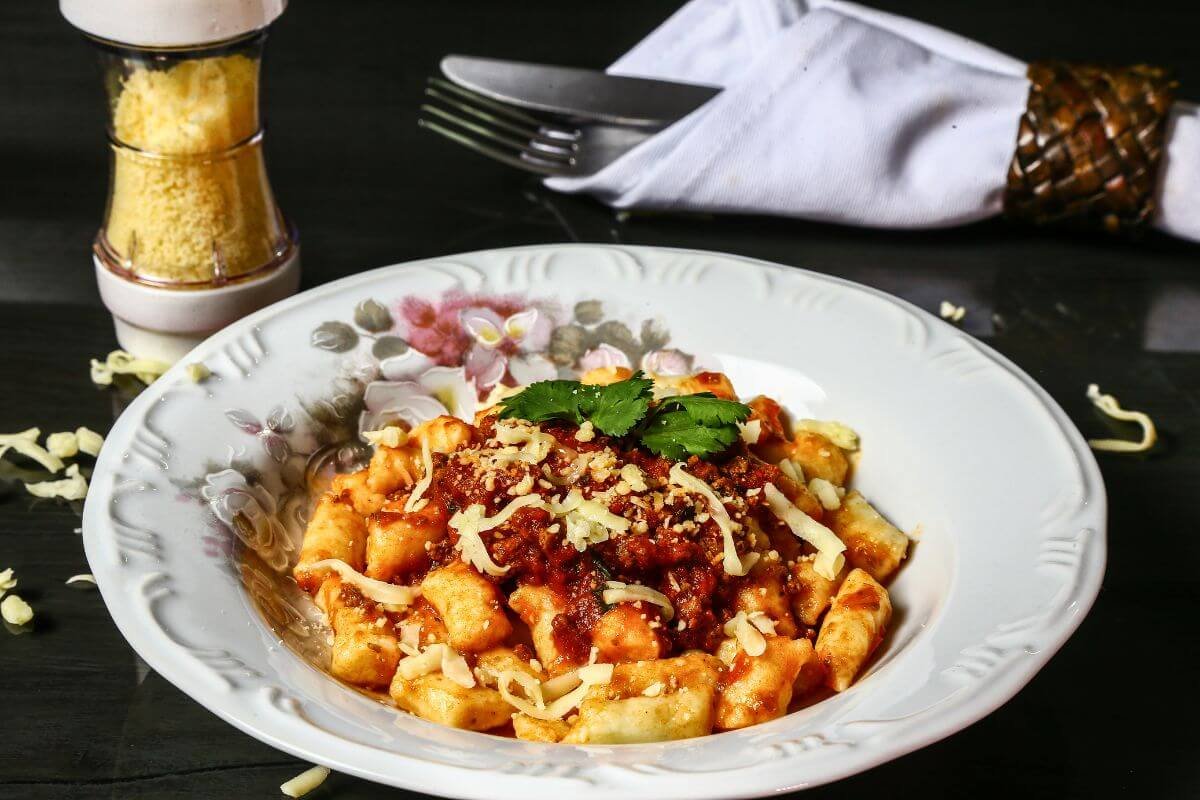
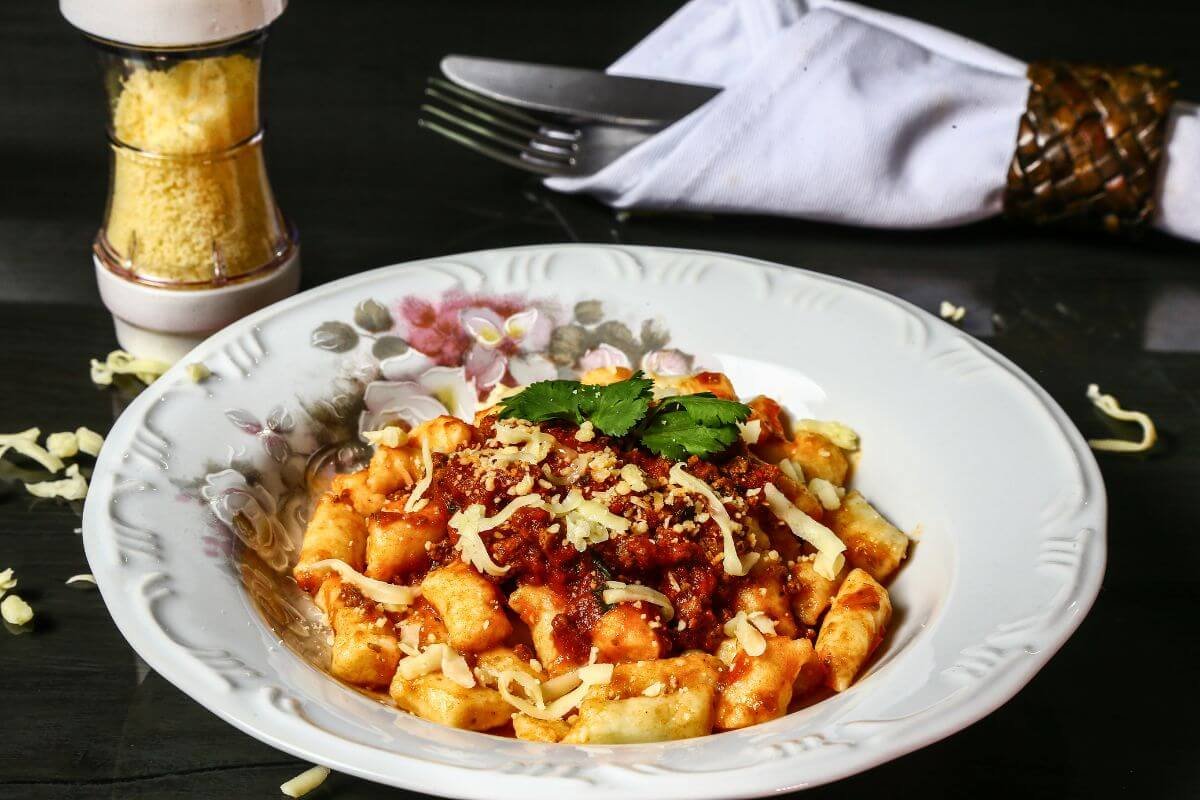
If you enjoy traditional pasta dishes, you may also want to explore Gnocchi, one of Italy’s most comforting dishes. Gnocchi is often made with potatoes and served with sauces such as tomato, butter, sage, or cheese-based sauces. It has a softer texture than regular pasta and works beautifully as a filling main meal.
Another interesting pasta to discover is Cavatelli, a small shell-like pasta from Southern Italy. Cavatelli is often served with rich sauces, vegetables, or meat-based preparations. Its shape helps hold sauce well, making it perfect for hearty home cooking.
You can also explore less common pasta shapes such as Garganelli, Mafalde, and Tortelloni. These dishes are useful if you want to move beyond the most obvious Italian recipes and understand how much variety exists in Italian pasta culture.
Italian Baked and Comfort Dishes
Italian cooking is not only about pasta on a plate. Some of the most comforting dishes are baked, layered, filled, or served family-style.
Lasagna is one of the best examples. It is rich, filling, and perfect for sharing. Layers of pasta, sauce, cheese, and meat or vegetables create one of the most recognised Italian dishes in the world.
Another interesting comparison is Calzone vs Stromboli. Both are filled, baked dishes, but they are not exactly the same. Understanding the difference helps you appreciate how Italian and Italian-American food traditions developed in different ways.
These kinds of dishes are especially useful for home cooks because they are practical, satisfying, and often easy to prepare in larger portions.
Italian Cheeses Worth Discovering
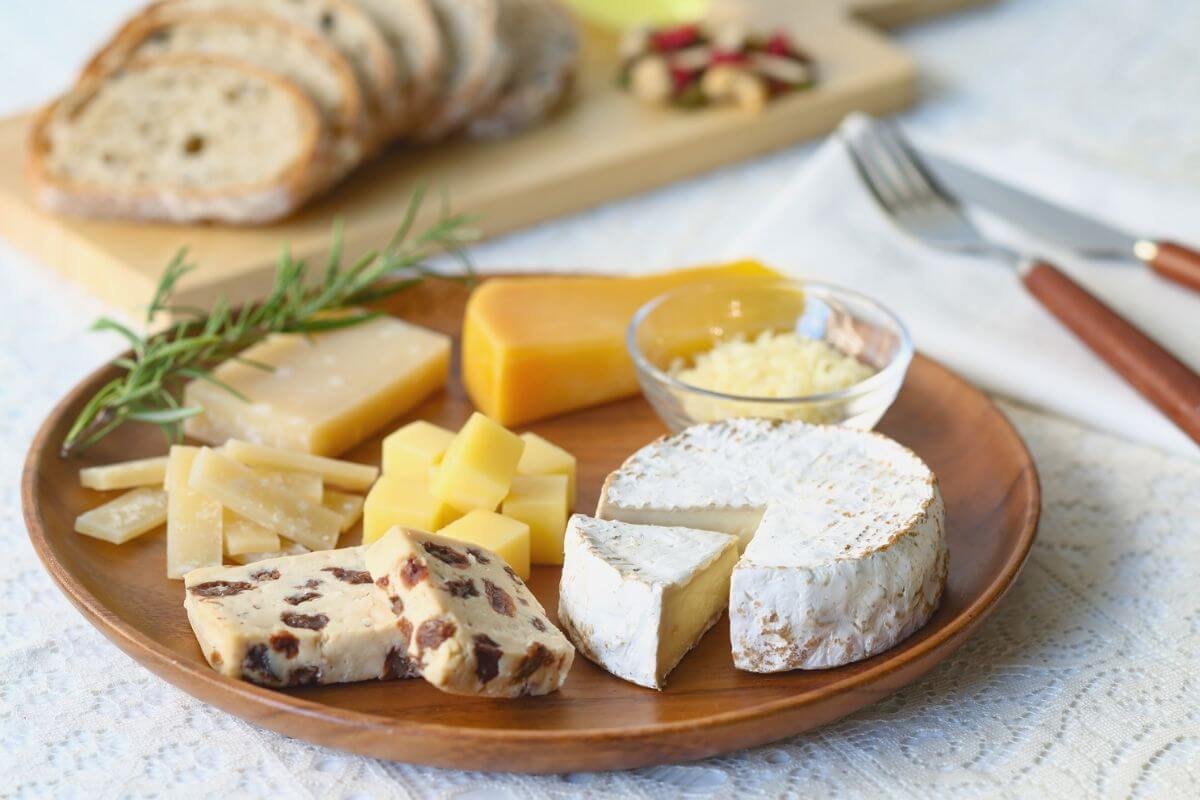
Cheese plays an important role in Italian food. It can be used for cooking, melting, grating, filling pasta, serving on boards, or finishing dishes at the table.
Taleggio is a soft Italian cheese from Lombardy with a strong aroma and creamy texture. It can be served with bread, used in melted preparations, or added to dishes where a rich cheese flavour is needed.
Scamorza is another Italian cheese worth knowing. It is often compared to mozzarella but has a firmer texture and can be smoked or unsmoked. It is excellent for melting and can be used in baked dishes, sandwiches, or grilled preparations.
Fior di Latte is a fresh cheese closely connected with Italian cooking, especially in dishes where a clean, milky flavour is important. It is often used in pizza, salads, and simple Mediterranean-style dishes.
Learning about these cheeses helps you understand how Italian cooking balances flavour, texture, and freshness.
Italian Cured Meats and Traditional Ingredients
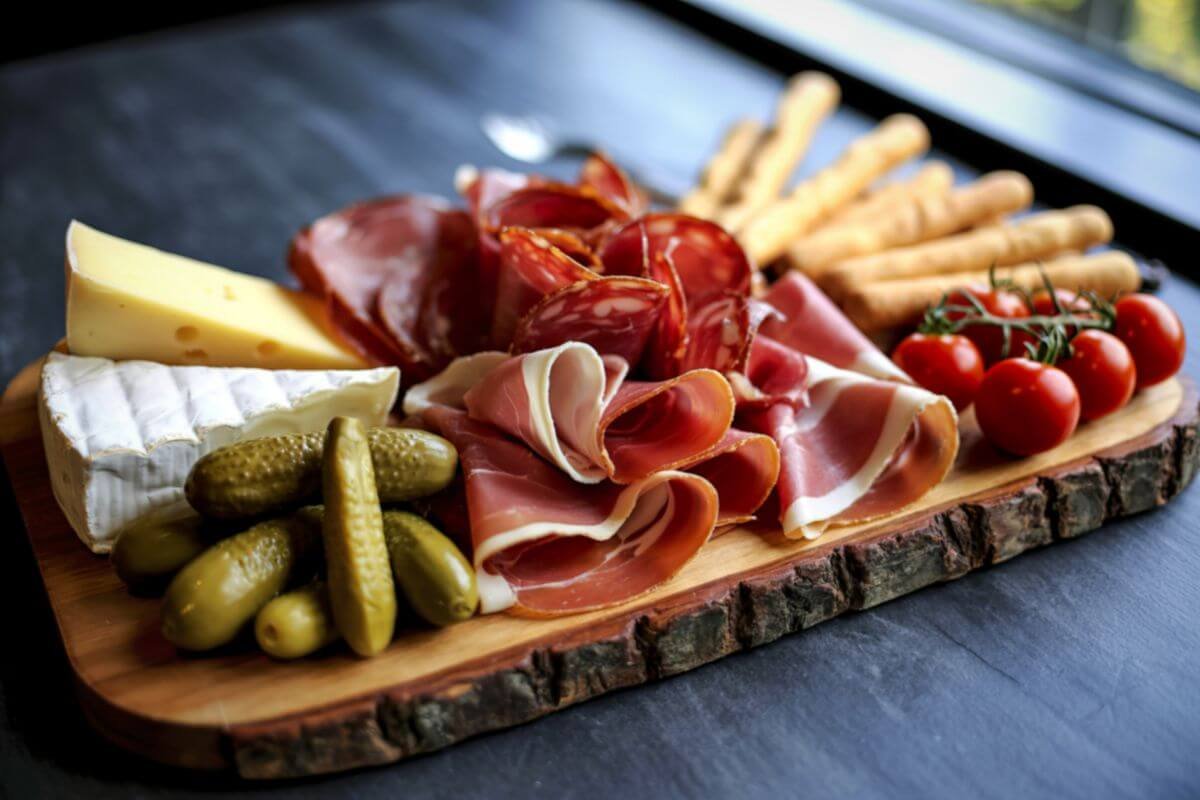
Italian cured meats are another important part of the country’s food culture. They are used in pasta dishes, antipasti boards, sandwiches, regional recipes, and simple meals served with bread and cheese.
Mortadella is one of the most famous Italian cured meats. It comes from Bologna and is known for its soft texture, delicate flavour, and traditional preparation.
Soppressata is a cured meat with a stronger personality. Depending on the region, it can be mild, spicy, rustic, or more refined. It is often sliced and served as part of antipasti or used to add flavour to other dishes.
Coppa, also known as capocollo in some regions, is another traditional cured meat with a rich flavour and tender texture. It works beautifully with cheese, bread, olives, and other Mediterranean ingredients.
These ingredients are also perfect for creating Italian-style serving boards at home.
Italian Seafood and Regional Specialities
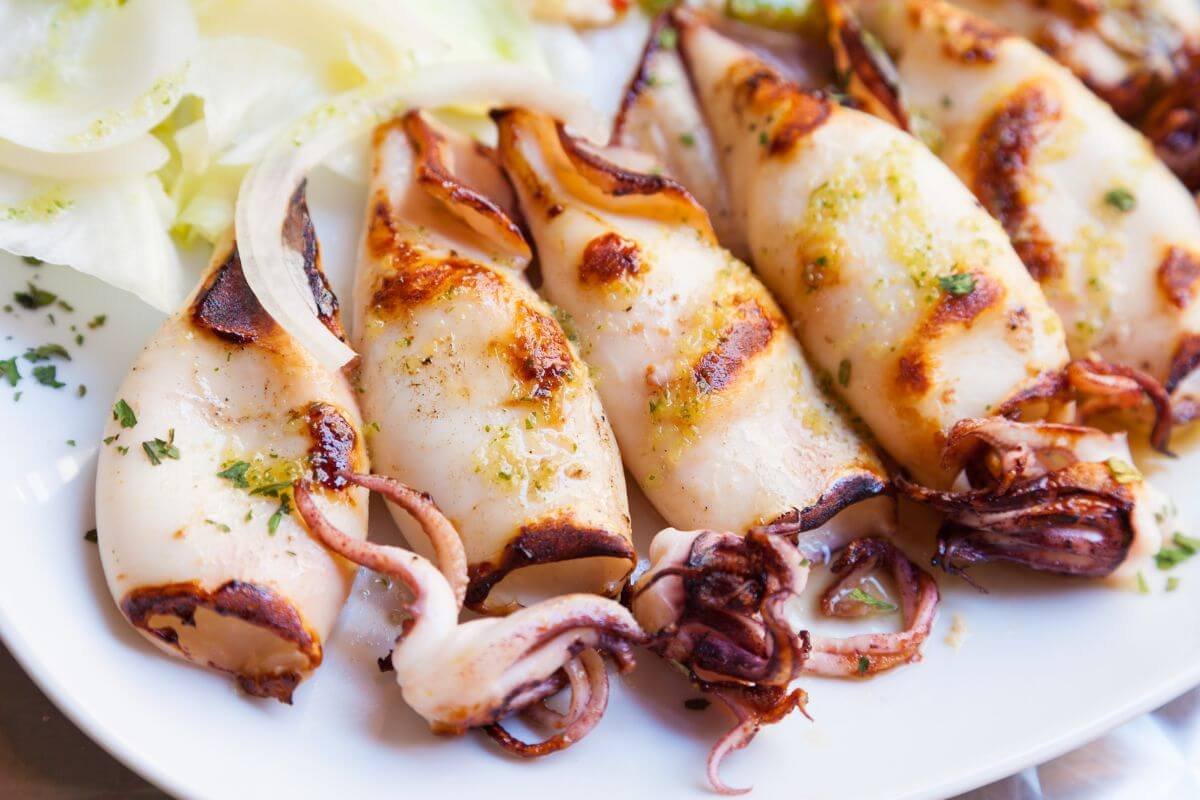
Italian cuisine changes a lot from region to region. Coastal areas often use seafood, while inland regions may focus more on meat, cheese, pasta, and vegetables.
One unique ingredient worth exploring is Bottarga, sometimes described as Mediterranean-style caviar. It is made from cured fish roe and is often grated or sliced over pasta, seafood dishes, or simple preparations where its salty, intense flavour can stand out.
Another dish with a strong Mediterranean character is Squid Ink Risotto. This dish is visually striking because of its dark colour and is loved for its deep seafood flavour. It shows how Italian cooking can be simple but still very distinctive.
Italian Desserts, Pastries, and Sweets
Italian food is not complete without desserts and pastries. Different regions have their own sweets, many of which are connected to holidays, family traditions, and local ingredients.
A good place to start is the guide to Italian pastries and sweets, which introduces some of the most popular desserts from Italy.
You can also explore Struffoli, a traditional Neapolitan sweet often associated with celebrations. These small fried dough balls are usually coated in honey and decorated, making them a festive and memorable dessert.
Italian desserts often rely on simple ingredients such as flour, eggs, sugar, cheese, citrus, nuts, chocolate, and honey. The result is usually rich in tradition rather than overly complicated.
Useful Kitchen Tools for Italian Cooking at Home
You do not need a professional kitchen to cook Italian food at home, but the right tools can make the process easier and more enjoyable.
For pasta dishes, a good pot, strainer, pasta bowl, and quality grater can make a real difference. Many Italian recipes also involve chopping herbs, slicing cured meats, preparing cheese, or working with fresh ingredients, so a sharp chef knife and solid cutting board are always useful.
For dishes like lasagna, risotto, gnocchi, or baked pasta, it also helps to have reliable pans, baking dishes, mixing bowls, and serving tools.
Here are some kitchen tools that naturally fit Italian-style cooking:
- A sharp chef knife for preparing vegetables, herbs, meats, and cheeses
- A sturdy cutting board for daily prep work
- A cheese grater for hard cheeses
- Pasta bowls for serving dishes like carbonara, gnocchi, and cavatelli
- Baking dishes for lasagna and other oven recipes
- Serving boards for cured meats, cheeses, bread, and antipasti
- A risotto pan or wide pan for rice-based dishes
- Tongs and serving spoons for pasta and family-style meals
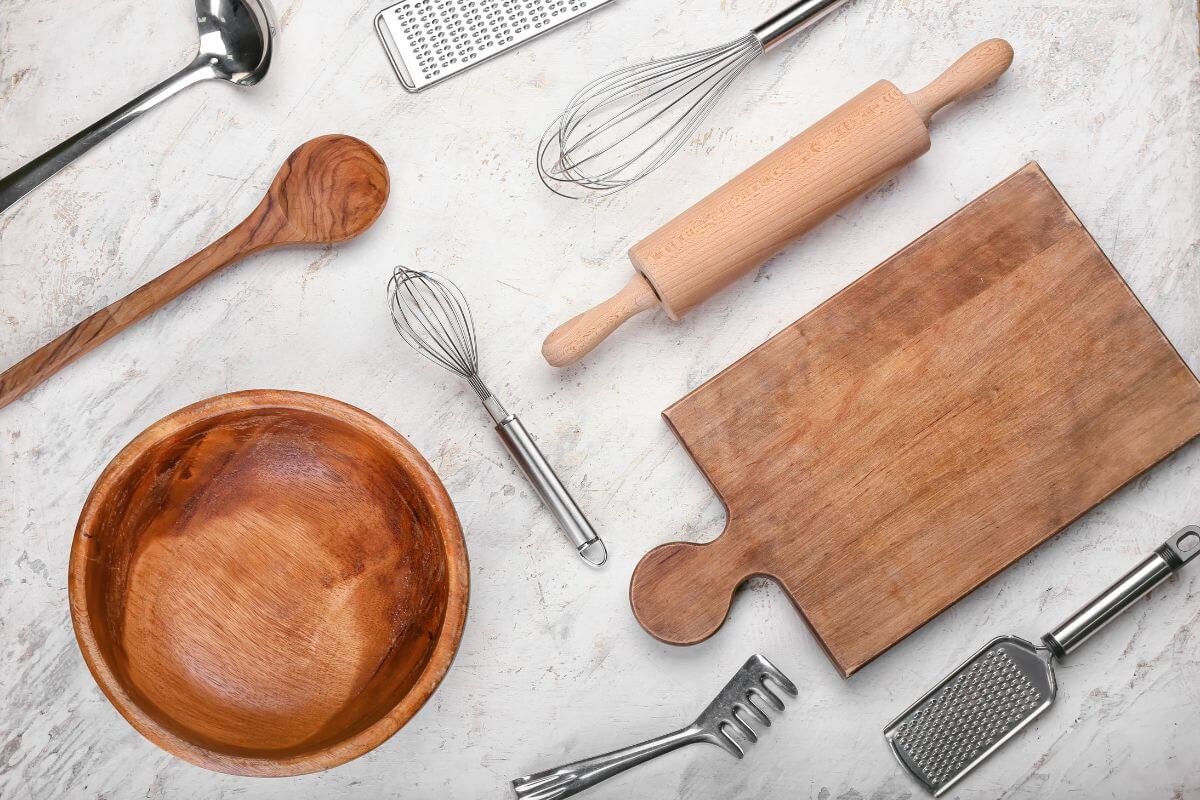
Cooking Italian food at home becomes much easier when you have the right basic tools. You can browse our selected kitchen tools for pasta dishes, cheese boards, serving, chopping, and home cooking here:
Where to Start
If you are new to Italian cooking, start with the classics. A dish like carbonara teaches timing and technique. Lasagna teaches layering and baking. Gnocchi introduces a softer style of pasta. Italian cheeses and cured meats help you understand how simple ingredients can create strong flavour.
A good starting path would be:
- Learn a classic pasta dish like Spaghetti Carbonara
- Try a comfort dish like Lasagna
- Explore a softer pasta like Gnocchi
- Discover Italian cheeses such as Taleggio, Scamorza, and Fior di Latte
- Learn about cured meats such as Mortadella, Soppressata, and Coppa
- Finish with Italian sweets like Struffoli or other traditional pastries
This way, you are not just reading random recipes. You are building a proper understanding of Italian cooking, one dish and ingredient at a time.
Final Thoughts
Italian cooking is one of the most enjoyable cuisines to explore because it combines comfort, tradition, and simplicity. Many dishes are built from humble ingredients, but the result can feel rich, generous, and full of character.
This guide will continue to grow as more Italian recipes, ingredients, tools, and regional dishes are added to the site.
For now, you can use the links above to explore classic Italian pasta dishes, cheeses, cured meats, seafood specialities, desserts, and kitchen tools that help bring Italian cooking into your own home.